
Shortboxed
ShortboxedComics
4.1307.00 Reviews
- Version
- 4.6.0
- Installs
- 50.00K
- Age Rating
- Everyone
Screenshots
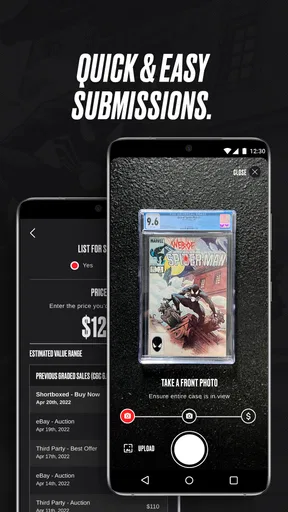
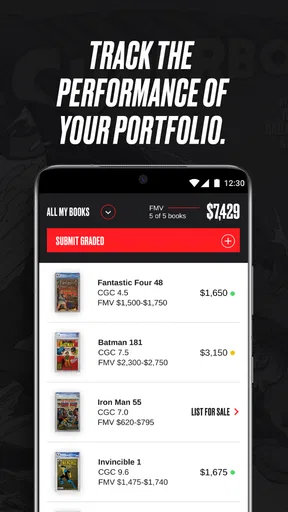
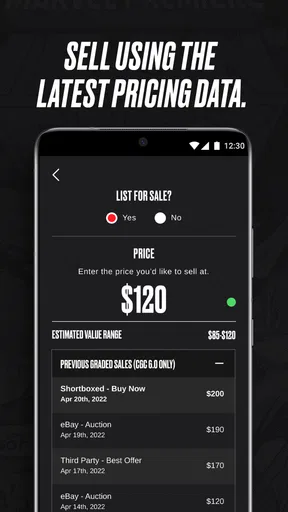
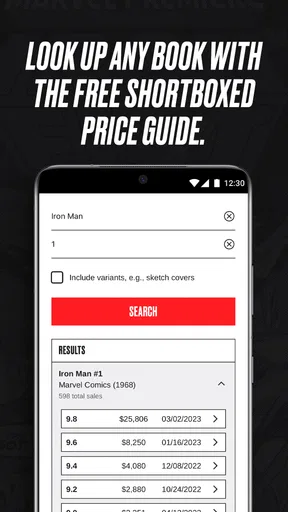
Our Review of Shortboxed
 Analysis by Appyee
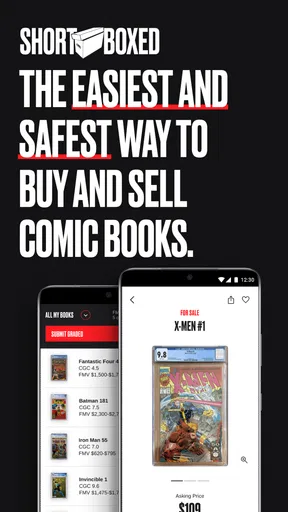
Buying comics online can be surprisingly messy. You may be comparing several sellers, checking condition notes, watching for a fair price, and trying to remember whether a book is already in your collection. Shortboxed approaches that problem as a focused comics marketplace rather than a general shopping app. I found it most useful when I wanted to browse individual issues, inspect listings, and keep the buying process centered on comic books instead of unrelated products.
The app is free, belongs to the Comics category, and comes from developer Shortboxed. Its current version is 4.6.0, and it runs on Android 9 or later. The Everyone content rating also makes it approachable for a broad audience, although the real question is less about age and more about whether you want a dedicated marketplace for physical comics. If your interest is collecting, selling, or simply hunting for a particular issue, the focused design makes more sense than using a general classifieds service.
After spending time with it, my opinion is positive but specific: this is strongest as a repeatable tool for comic shopping, not as a complete collection-management system or a replacement for every part of the comic-store experience. The value comes from building a sensible browsing habit, learning to read listings carefully, and using the marketplace with realistic expectations.
How the everyday buying workflow feels
When I buy a comic online, I try to decide in advance what would make a listing a good fit: the exact issue, acceptable wear, and how much comparison I want to do. That keeps a promising cover from rushing me into a purchase. With that groundwork in place, the next part is judging how the app’s everyday buying flow supports those decisions.
Starting with a focused comic search
The first thing I appreciated was the narrow purpose. Instead of scrolling through a broad marketplace where comics compete with furniture, electronics, and collectibles, I could stay in a space built around comic books. That changes how I browse. I am less likely to waste time filtering out irrelevant products, and I can move from a general interest in a character or series toward individual listings more naturally.
My usual starting point is not a vague search for “good comics.” I begin with a concrete target: a missing issue, a particular run, or a book I want to compare with copies I have already seen. That approach works better because marketplace browsing can otherwise become endless. Shortboxed is enjoyable for discovery, but its practical strength appears when I give myself a clear purpose before opening it.
When I find a promising listing, I slow down rather than treating the first attractive image as a final decision. Comic condition is not a minor detail. A cover can look excellent in a thumbnail while still leaving questions about spine wear, bends, color breaks, missing inserts, or interior problems. I use the listing information as a starting point and look for enough detail to decide whether the seller’s description matches my expectations.
The most important habit is separating “I want this comic” from “this particular copy is worth buying.” That distinction prevents impulse purchases. A desirable issue may be available in several conditions, and the cheapest copy is not automatically the best value if the description is vague or the photographs do not show the areas that matter to you.
Using the app as a buyer and a seller
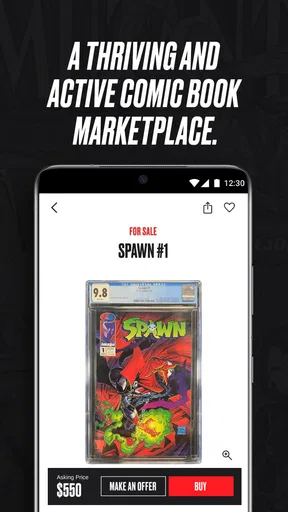
For buyers, the marketplace format is straightforward: browse, inspect, compare, and decide. I like that the app encourages a more deliberate process than a social feed. The item itself stays at the center, which is useful when I am comparing variants of the same issue or looking for a replacement copy.
Sellers need a different mindset. A listing is not just a way to announce that a comic is available; it is the buyer’s only practical substitute for handling the book in person. Clear photos and honest condition notes matter more than enthusiastic wording. If I were listing a comic, I would photograph the front, back, spine, and any flaw that could affect a buyer’s decision. I would also avoid relying on a broad grade without explaining visible defects.
This is one of the app’s useful trade-offs. A specialized marketplace can bring the right audience to a listing, but it does not remove the responsibility of judging condition. Buyers still need to inspect details, and sellers still need to prepare accurate listings. The app can make the meeting point more relevant; it cannot make every transaction equally careful.
A realistic use case: filling a gap in a run
Imagine that I am rebuilding a favorite series and have most of the early issues but one missing number. I would search for that issue, open several listings, and compare more than the headline price. I would check whether the copies appear complete, whether the photographs show the spine clearly, and whether the condition suits the rest of my run. If my collection is mostly reader copies, paying extra for a pristine copy may make little sense. If I am trying to keep a consistent shelf presentation, a visibly worn replacement may be disappointing even if it is inexpensive.
Shortboxed fits that scenario well because the app keeps the search anchored to the comic itself. A general marketplace might offer more types of sellers or broader local options, while a traditional comic shop may provide more personal advice. Here, I get the convenience of browsing from my phone and the ability to compare available copies, but I must supply my own collecting judgment.
Settings, shortcuts, and habits that make it more useful
I get more value from a marketplace when I make it fit my habits instead of checking it reflexively. A short, targeted visit and a simple note of the issues I still need can make browsing less repetitive, while reviewing notification choices helps keep interruptions proportionate to how actively I am searching. Those small routines also make it easier to tell whether a snag is in my process or in the app itself.
Check the basics before you build a routine
I would begin by checking the app’s account and notification options before using it heavily. The useful settings are the ones that affect how often I hear from the marketplace and how much effort I spend returning to searches or listings. I do not want every browsing session to become a stream of distractions, but I also do not want to miss something important if I am actively looking for a scarce issue.
My advice is to start with a restrained notification setup and adjust it after a week of normal use. If alerts become noise, they stop helping. If I am searching casually, I prefer opening the app when I have time to compare listings. If I am searching for a specific book, I am more willing to keep relevant alerts active. The right balance depends on whether I am browsing for fun or trying to complete a purchase.
I also recommend checking the app after an update rather than assuming the interface remains exactly the same. Version 4.6.0 is the current release, and small interface changes can affect where familiar controls appear. This is not a reason to avoid updating; it is simply a reminder that a repeatable workflow should include a quick look around after an app changes.
Use a personal comparison checklist
Shortboxed becomes more effective when I use the same checklist for every serious candidate. I look at the issue identification first, then the photos, then the condition description, then the total purchase implications. I also ask whether the copy actually fits my collection goal. This sounds basic, but a checklist protects me from being distracted by a dramatic cover or a low asking price.
- Confirm that the issue and edition match what I intend to buy.
- Inspect the cover, back, and spine rather than judging from one image.
- Read condition notes for specific defects, not just general praise.
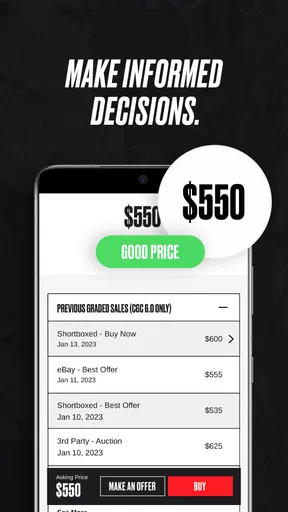
- Compare similar listings before deciding that one price is attractive.
- Keep a note of what I already own so browsing does not create duplicates.
The last point is especially useful. The app can help me find comics, but it cannot replace a reliable collection list in my own routine. I keep my want list and owned list separate, even if that means using a simple note outside the marketplace. That small habit reduces accidental duplicates and makes every search more purposeful.
Short sessions beat endless scrolling
One of my better habits is setting a narrow goal for each session. I might look for one missing issue, compare copies of one book, or review listings from a particular seller. When I browse without a goal, I am more likely to save mentally interesting items that I never actually intend to buy. Shortboxed is enjoyable as a discovery tool, but focused sessions make it more useful as a purchasing tool.
I also take screenshots or notes when comparing several candidates, especially if I am not ready to buy immediately. That lets me remember why one listing appealed to me instead of relying on memory after seeing many similar covers. It is a simple workaround, but it turns casual browsing into a repeatable research process.
Make selling a preparation task, not a quick upload
For sellers, the best shortcut is preparation before opening the listing workflow. I would gather the comic, inspect it under good light, photograph the important areas, and write down the details before entering anything. Doing that first reduces rushed descriptions and makes it easier to answer buyer questions consistently.
A useful selling pattern is to describe flaws in plain language. “Small crease near the lower-right corner” tells a buyer more than “minor wear.” The goal is not to make the book sound worse than it is; it is to make expectations clear. That clarity can save time later because interested buyers can decide whether the condition suits them before starting a conversation.
Where it is faster than traditional alternatives
Compared with visiting several physical shops, the app is faster for initial price discovery and for finding a specific issue across multiple listings. I can browse from home and compare copies without traveling. Compared with a general classifieds platform, it keeps the search more relevant to comics. Those are meaningful advantages for collectors who already know what they want.
Traditional comic shops still have an edge when I want expert conversation, immediate physical inspection, or help identifying an obscure edition. A shop owner can sometimes notice a detail I would overlook and can recommend related reading in a more personal way. Shortboxed is better for convenient comparison; a good local shop is better for tactile inspection and human guidance.
Large general marketplaces may also be preferable when I want broader shipping choices, local pickup, or access to sellers who do not use a comic-specific service. The dedicated focus is an advantage only when the available selection and seller activity match my search. If I am looking for a common book, that is usually less of a concern. If I need an unusual issue, I should be prepared to check more than one source.
Limits experienced collectors should understand
For an experienced collector, the key question is not just whether a listing looks appealing, but whether the available evidence is enough for the book and the price at stake. I treat online photos and descriptions as useful screening tools, not a substitute for examining a valuable comic in person. That distinction helps set realistic expectations before deciding where this marketplace fits among the other ways to buy.
A marketplace cannot grade a comic for you
The biggest limitation is not a missing button; it is the nature of buying collectibles online. Photos and descriptions can reduce uncertainty, but they do not provide the same confidence as holding a comic under proper light. Even experienced collectors can disagree about condition, and a buyer who expects absolute grading precision may become frustrated.
I would be cautious whenever a listing gives a broad condition claim without supporting detail. That does not automatically make the seller unreliable, but it gives me less information to work with. For valuable books, I would want a stronger level of documentation and would be more willing to use a specialist or inspect the comic in person.
Convenience does not eliminate transaction questions
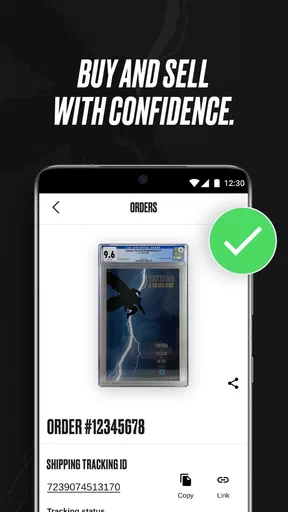
Before buying, I consider the practical side of the transaction as carefully as the comic. Packaging matters, delivery timing matters, and the outcome depends on how the seller handles the item after the sale. The app makes it easier to discover a listing, but I still need to read the relevant purchase information and communicate clearly when something needs clarification.
This is another reason I prefer not to rush. If an issue is common, waiting to compare another listing may be wiser than accepting uncertainty. If it is genuinely difficult to find, I may accept a compromise in condition, but I should make that choice consciously. The app is most helpful when it gives me options; it is less helpful when I expect it to remove every trade-off.
Who should use it, and who should skip it?
I would recommend Shortboxed to collectors who enjoy individual-issue hunting, sellers who want their comics shown to a relevant audience, and readers who are comfortable evaluating listings on their own. It is also a good fit for someone who wants a mobile-first way to compare available copies instead of visiting multiple stores.
I would be more hesitant to recommend it to a newcomer who wants a guided introduction to collecting. A beginner may need help understanding editions, condition language, and realistic pricing, and a marketplace alone does not provide the same personal education as an experienced dealer or collector group. I would also suggest another option to anyone who needs a full inventory system with deep cataloging, reading progress, and long-term collection analytics.
People who mainly read digital comics should probably look elsewhere too. This app’s appeal is tied to physical comic buying and selling. If the goal is simply to read stories on a phone or tablet, a digital reading service will likely be a better match and a more direct use of time.
Privacy, age, and practical expectations
The Everyone rating makes the app broadly accessible, but parents and younger users should still remember that a marketplace involves purchasing decisions and communication with sellers. Age suitability does not mean every transaction is automatically simple. I would treat it like any buying platform: review listings carefully, avoid sharing unnecessary personal details, and involve a trusted adult when appropriate.
The app has passed the early stage of a new release and has reached over fifty thousand installs. Its average rating is 4.1 from about five hundred ratings, with more than three hundred written reviews. I read those figures as a sign of a functioning niche product with a generally favorable reception, not as a guarantee that every user will have the same experience. Marketplace satisfaction depends heavily on the listing, seller, comic condition, and the buyer’s expectations.
My verdict after building a repeatable workflow
Shortboxed works best when I use it with discipline. I search with a specific target, compare multiple copies, inspect condition evidence, and keep my own want list organized. I check notification choices so the app supports my collecting rather than interrupting it, and I prepare carefully when selling. Those habits reveal the app’s real strength: it gives comic-focused buyers and sellers a more relevant place to meet than a generic shopping feed.
It is not a magic solution for grading, pricing, shipping, or collection management. Someone looking for expert hands-on advice may prefer a local comic shop. Someone building a detailed digital catalog may need a dedicated collection app. Someone seeking only digital reading should choose a reading platform instead. Those are not failures; they are boundaries that become clear once the app is used for its intended purpose.
For me, the best reason to keep it installed is the combination of focus and convenience. I can turn a vague collecting goal into a practical search, compare real copies, and return to the marketplace when I am ready. The free price makes trying it easy, while the specialized audience gives it a clear identity. If you treat it as a focused marketplace rather than an all-in-one comic companion, Shortboxed is a useful addition to a serious collector’s routine.
Verdict
Strengths of Shortboxed
- Clean interface makes browsing and discovering comics straightforward.
- Detailed listings help users assess issue condition and edition information.
- Personalized collections make it easier to track wanted comics.
- Marketplace access connects buyers with specialized comic sellers.
- Useful for finding modern issues and harder-to-locate comic editions.
Limitations of Shortboxed
- Inventory and seller availability can vary considerably by location.
- Prices may be higher for popular issues or collectible editions.
- Shipping costs can reduce the value of inexpensive comic purchases.
- Condition grading may differ between sellers despite listing descriptions.
- The app is less useful for readers seeking only digital comics.
Similar Picks in This Category
View All
WEBTOON: Manga, Comics, Manhwa
NAVER WEBTOON4.6

MangaToon: Comic & Manga
MangaToon4.3

네이버 웹툰 - Naver Webtoon
NAVER WEBTOON4.3

Tapas – Comics and Novels
Tapas Entertainment Inc.4.2

Lezhin Comics - Daily Releases
LEZHIN ENTERTAINMENT3.3

WebComics - Webtoon & Manga
WEBCOMICS HOLDINGS HK LIMITED4.4
Frequently Asked Questions
What is Shortboxed, and what can I use it for?
Shortboxed is a mobile marketplace and discovery platform designed for comic book collectors and enthusiasts. It helps users browse comic books, discover listings from sellers, track items of interest, and connect with the wider collecting community. The app is particularly useful for people who want a more focused experience than a general marketplace, although the available inventory and seller activity may vary by location.
Do I need an account to browse comics on Shortboxed?
You may be able to explore parts of Shortboxed without immediately creating an account, but registration is generally useful if you want to save searches, follow listings, contact sellers, manage purchases, or maintain a personal collection. Account requirements can differ depending on the feature you are trying to use. Before signing up, review the permissions and profile information requested so you understand how your data will be used.
Can I buy and sell comic books through Shortboxed?
Shortboxed is built around comic book buying and selling, allowing collectors to view available items and, where supported, interact with sellers through the platform. Listings may include details such as issue information, condition, grading, photographs, and price. Always examine the description carefully, verify the seller’s information, and confirm shipping, returns, payment protection, and transaction terms before completing a purchase.
Is Shortboxed safe and reliable for comic collectors?
Shortboxed can be a convenient resource for collectors, but users should apply the same caution they would use on any online marketplace. Check seller ratings or history when available, compare photographs with the written condition, and be careful with unusually low prices. Use the platform’s recommended payment and communication methods, keep transaction records, and contact support if a listing or seller appears suspicious.
Is Shortboxed free to download, and are there any extra costs?
The Shortboxed app may be available to download at no initial cost, but using the marketplace can still involve additional expenses. These may include the price of comic books, shipping, taxes, seller fees, payment-processing charges, or optional services, depending on the transaction and your region. Check the current App Store or Google Play listing and review the final checkout total before confirming an order.
